
SECRET BOXES - TERESA


SECRET BOXES - TERESA
Caratteristiche
- Brand
- NUMBER
- Designer
- Ettore Sottsass
- Decoro
- Secret Boxes - Teresa
- Colore
- Zebra Ebony
- Materiale
- Frame in birch plywood covered with three layers of zebrano. Knob and base in solid black ebony. Wax finish.
- Altezza (cm)
- 23.50
- Larghezza (cm)
- 15.00
- Profondità (cm)
- 15.00
- Peso (kg)
- 1.60
- La confezione contiene
- Precious wooden jewelry box, shipped in a protective multilayer wooden box, warranty certificate
- HS Code
- 44201019
Spedizione e resi
Spedizione gratuita in Italia per ordini superiori a 99€. Consegna in 2-4 giorni lavorativi tramite corriere espresso. Reso disponibile entro 14 giorni dalla ricezione, secondo le condizioni indicate nella pagina dedicata.
Cura e manutenzione
Per preservare nel tempo la bellezza e l'integrità del prodotto, ti consigliamo di trattarlo con cura. Una manutenzione semplice — lavaggio delicato e corretta conservazione — ne prolunga la longevità. Consulta sempre le istruzioni di cura riportate sulla confezione o nel libretto fornito con il prodotto.
Descrizione
Plywood box 15x15x23.5h cm, limited edition of 99 pieces. Birch plywood structure covered with three layers of zebrano. Knob and base in solid black ebony. Wax finish.
"I wanted to design boxes to be opened by carefully lifting the lid slowly with two hands, as if the box could feel that I am gentle with it and that I have no intention of mistreating it. Boxes made with precious woods to put even somewhat secret things: a special brush, some special paper notebooks or, more simply, something I would like to keep secret. Perhaps love notes."
Ettore Sottsass
Ettore Sottsass designed Secret Boxes for Numa, made of plywood: five small architectures that express a very personal vision of the value of things: that symbolic value that certain meaningful objects can acquire when we use them for a very specific reason.
Rosalia, Agnese, Teresa, Zita, and Agata are the names of the five wooden boxes offered in 99 numbered editions. Five small architectures that express a very personal vision of the value of things: that symbolic value that certain meaningful objects can acquire when we use them for a very specific reason. Five extraordinary interpretations by Ettore Sottsass of a traditional material like wood, in the strongly iconographic language that distinguishes this great designer.
Material:
- Zebrano from Africa, solid parts.
- Ebony from Indonesia, solid parts.
- Birch from Russia. Birch plywood composed of 7 layers of 20/10 mm with cross grain to make the wood stable.
Processing stages:
- The process begins with a careful selection of woods to achieve a homogeneous effect of color and grain pattern.
- The parts that make up the box are cut.
- Solid zebrano edges are fixed to the profiles of the birch plywood facades.
- Each part is then veneered, internally and externally, with a layer of zebrano 20/10 mm thick.
- The parts that make up the box are glued and fitted together. The horizontal joints are worked and joined by rebate, while the vertical ones are made with internal wooden cores.
- The two knobs are constructed; the ebony is turned from solid wood after a careful selection of the trunk to be worked. The trunks are small and full of defects. About 70% is discarded to obtain solid blocks suitable for processing.
- The knobs are left to rest for several months before being further worked on the surfaces and fixed to the lid, to allow for further wood stabilization.
- After adequate time, the box surfaces are worked with sandpaper and the edges are rounded.
- A first coat of "primer" is applied by hand, with a brush, to close the pores of the wood.
- The surfaces are then re-sanded by hand with progressively finer sandpaper.
- Stamping is carried out.
- Another coat of varnish is applied with a brush, to make the surface "silky".
- After adequate drying, a layer of natural beeswax is applied by hand.
- The knobs, which have undergone the same surface treatment as the box, are fixed to it with hidden interlocking cylindrical wooden pins.
NB. The processing of ebony parts requires great care, as the raw wood releases a black dust that penetrates the fibers of other woods, irrevocably staining them. Ebony must be worked alone and separated from other woods until after its varnishing.
Completa la tavola

5 PADEL - STEEL - Frying Pan 20 cm - SERAFINO ZANI
€29,00
5 PADEL - STEEL - Frying pan 24 cm - SERAFINO ZANI
€35,00
5 PADEL - STEEL - Frying pan 28 cm - SERAFINO ZANI
€39,00
5 PADEL - STEEL - Frying pan 28 cm - SERAFINO ZANI
€49,00

5 PADEL - IRON - Frying pan 24 cm - SERAFINO ZANI
€39,00
5 PADEL - IRON - Frying pan 28 cm - SERAFINO ZANI
€45,00

5 PADEL - COPPER - Frying pan 24 cm - SERAFINO ZANI
€69,00
5 PADEL - COPPER - Frying pan 28 cm - SERAFINO ZANI
€85,00
Altri prodotti di Furnishing Objects
Prodotti a prezzo speciale
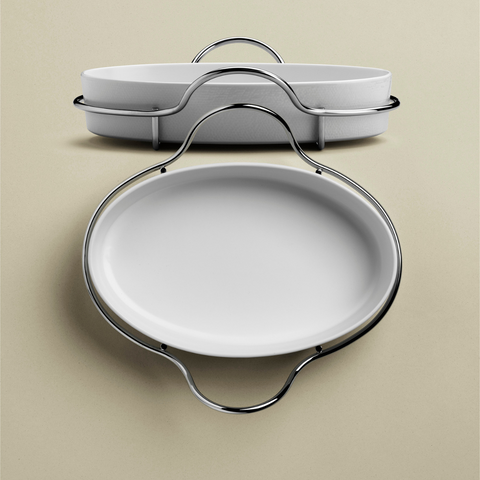
AL DENTE - LARGE OVAL BAKING DISH 40 cm WITH STAND - SERAFINO ZANI
€100,20
€167,00
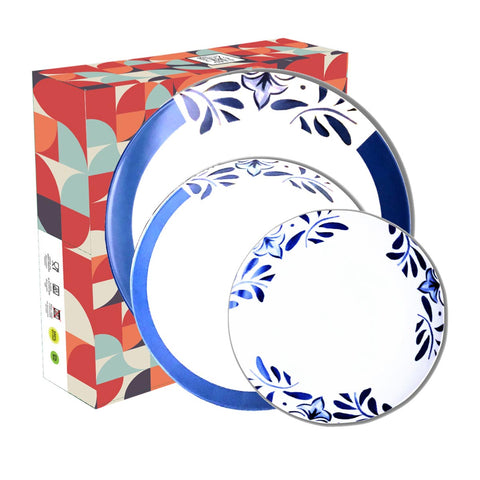
SANTORINI CERAMICS - PLACE SETTING - EMPORIO ZANI
€8,94
€14,90
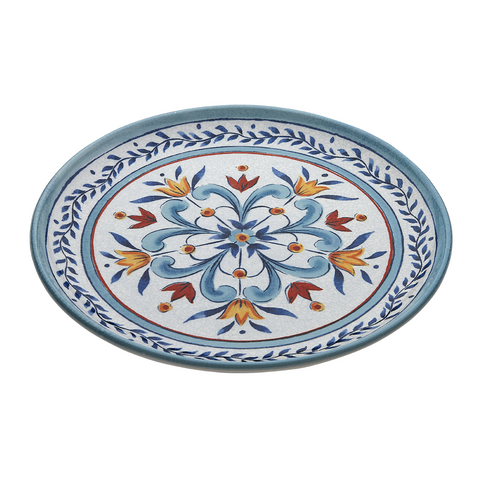
CERAMICA TAORMINA - ROUND TRAY 36 cm - EMPORIO ZANI
€31,43
€44,90
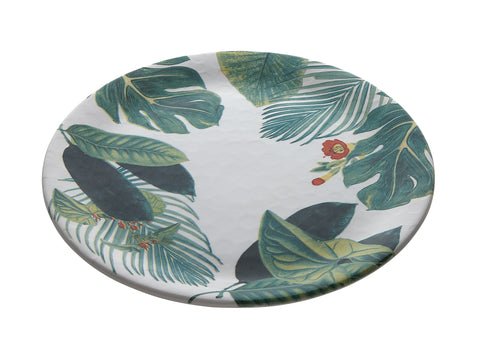
YORK FLORAL CERAMIC - 2 PIZZA PLATES 31 cm - EMPORIO ZANI
€27,30
€39,00
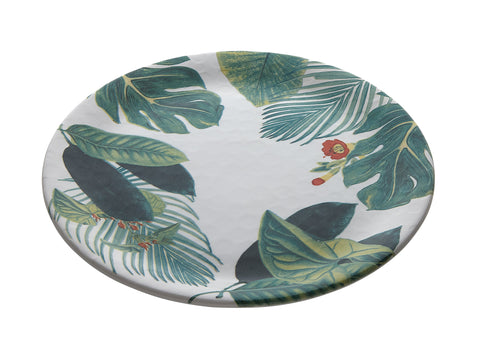
CERAMICA YORK FLOREALE - 6 PIZZA PLATES 31 cm - EMPORIO ZANI
€69,93
€99,90
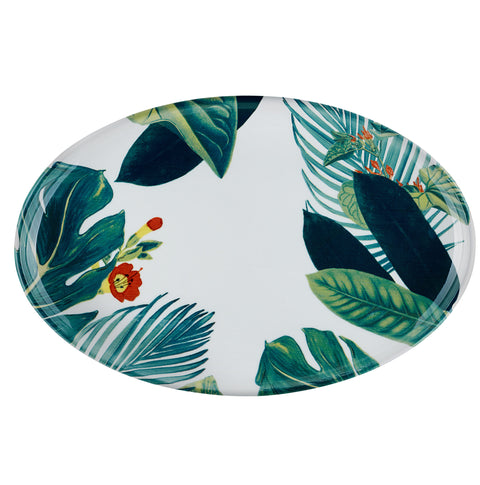
CERAMICA YORK FLOREALE - OVAL TRAY 40 cm - EMPORIO ZANI
€31,43
€44,90
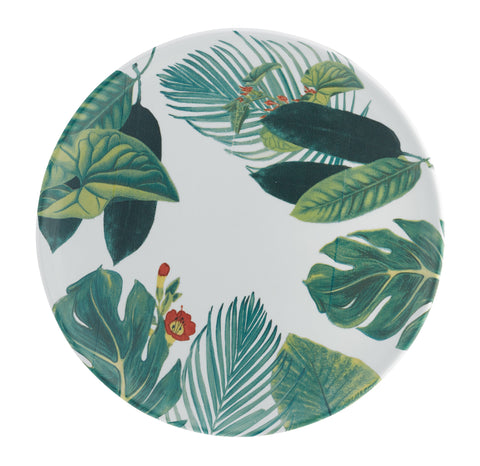
YORK FLORAL CERAMIC - ROUND TRAY 36 cm - EMPORIO ZANI
€31,43
€44,90

DISPLAY KIT COVER - 48 MASK HOLDERS
€120,00
€240,00